
Planning
Bride & Groom Outfits: A Modern Guide
By Nalin11 July 20266 min read
Wedding dressing has loosened considerably in the last decade. The rules that remain are mostly practical ones, and they are worth knowing before the first fitting rather than after.
Bridal outfits
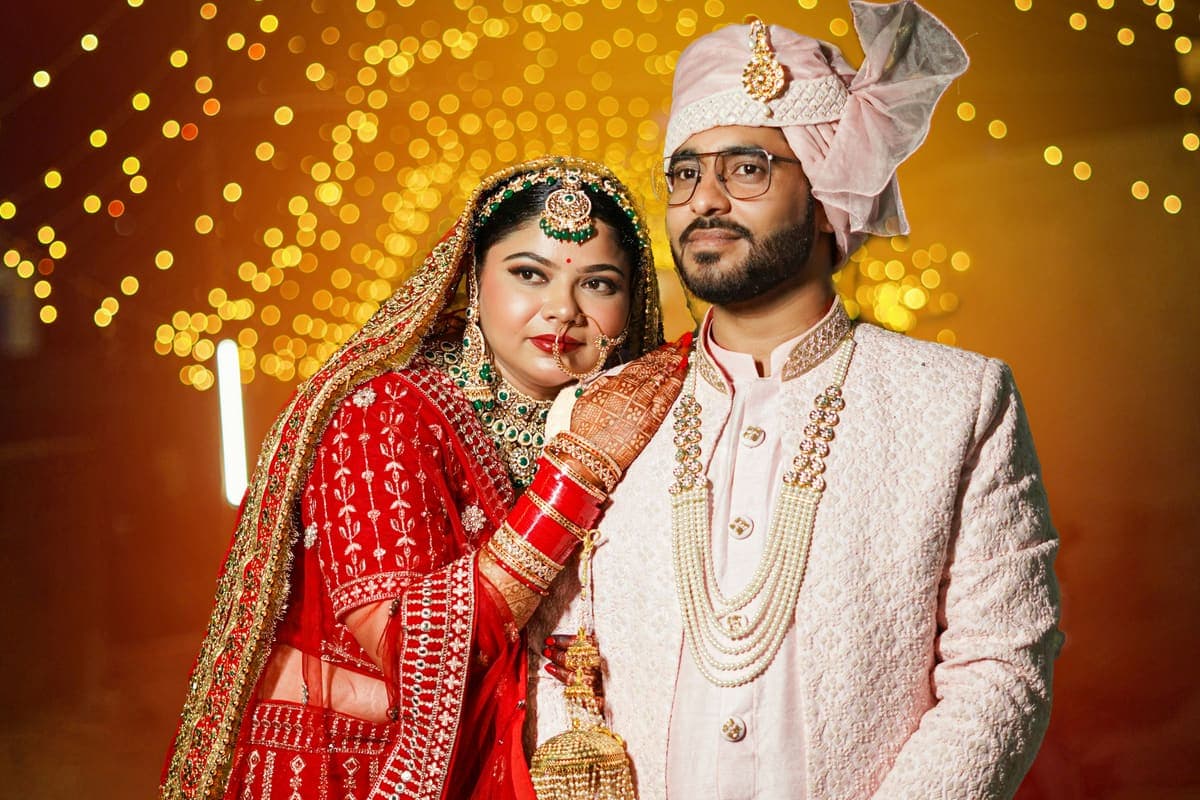
The lehenga still dominates, but the silhouette has moved: lighter canvases, less structured blouses, and a shift away from the heaviest zardozi toward handwork that photographs well without adding kilos. Sarees are firmly back for the ceremony, particularly Banarasi and Kanjeevaram, often in colours other than red.
Order early. A custom lehenga from a serious atelier runs four to six months, and the final fitting should be no earlier than two weeks before the function. Ask what the finished piece weighs before you commit, then wear it for twenty minutes in the shop and try sitting down in it.
Groom outfits
Grooms have far more room than they used to and are finally using it. The bandhgala has become the default for receptions and cocktails because it works with the same ease as a suit. Sherwanis have moved toward cleaner tailoring and subtler tonal embroidery, and the safa is increasingly chosen to complement rather than match.
Get the shoulders and the sleeve length right and everything else follows. Most grooms spend on embellishment and skip the second fitting, which is precisely backwards.
Coordinating without matching
Matching outfits exactly tends to flatten both in photographs. Working within one palette, at different levels of saturation, almost always reads better: an ivory sherwani against a deep rust lehenga, or a gold bandhgala against a dusty rose saree.
Agree the palette for each function together, early, and tell both families so the close relatives can dress into it rather than against it.
Dress for every celebration, not just the big one
The ceremony outfit gets all the attention and the other five leave you scrambling. Plan the whole week at once.
The haldi will ruin whatever you wear, so wear something you are content to lose, in a fabric that copes with turmeric. The mehendi needs sleeves you can push back and no cuffs to spoil. The sangeet needs to survive three hours of dancing. The reception is the one place a sharper, more western silhouette is entirely at home.
Style and comfort are not opposites
The single most common regret is an outfit too heavy to enjoy the day in. You will be in it for eight to twelve hours, much of it standing, in a room that is warmer than it looks.
Break your shoes in for two weeks beforehand. Ask for a second, lighter dupatta for the long stretches between photographs. Make sure you can raise your arms above your head, because at some point in the sangeet you will need to.