
Attending
Decoding the Dress Code
By Wedding Central4 September 20263 min read
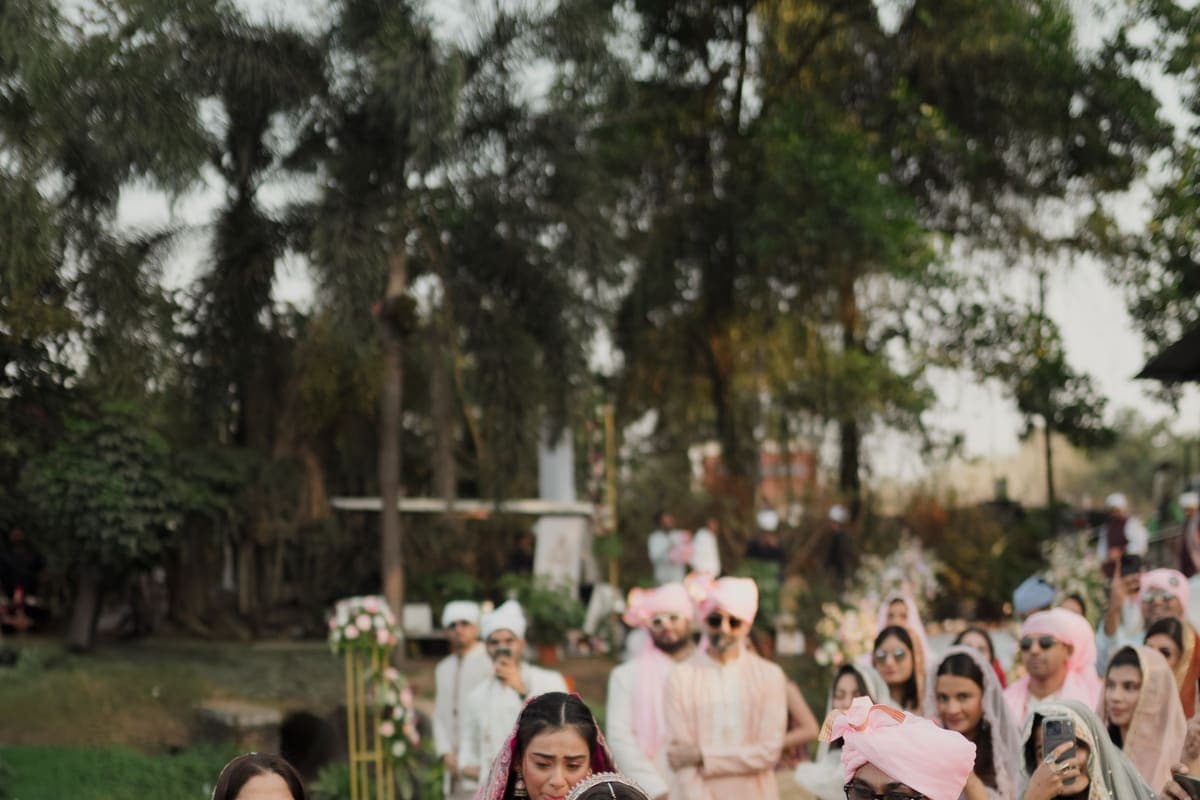
The wedding invitation has arrived, the dates are blocked, and the age-old question remains: what should you wear? Indian weddings are multi-day affairs, with each function demanding a distinct aesthetic. The goal of any guest is to look impeccable, feel comfortable, and ensure the couple remains the focal point of the celebrations.
Here is a practical breakdown of how to approach the three main events.
The Haldi: Daytime Comfort Meets Style
The Haldi is traditionally an intimate, daytime event heavily involving turmeric paste, water, and outdoor settings. Breathability is your biggest priority.
- For Women: Opt for lightweight fabrics like cotton, georgette, or chiffon. Yellow, mustard, or floral prints are standard, but soft greens and peaches work equally well. Avoid heavy embroidery that will weigh you down in the daytime heat.
- For Men: This is where simplicity is highly effective. A classic Chikankari kurta in soft pastel shades is a foolproof choice. It provides an effortlessly stylish look, breathes beautifully during humid daytime outdoor events, and photographs exceptionally well without looking overdone. Pair it with comfortable pyjamas or straight-cut trousers.
The Sangeet: Glamour and Mobility
The Sangeet is a high-energy evening centered around music, performances, and hours on the dance floor. Your outfit needs to accommodate constant movement.
- For Women: Pre-draped sarees, sharply tailored fusion wear, or lehengas with lighter borders are ideal. You want the visual impact of evening wear without the restriction of a heavy skirt. Avoid anything with long, trailing dupattas that require constant adjustment.
- For Men: Elevate your look with structured layers. A sharp Nehru jacket or an Indo-Western tailored jacket over a solid silk kurta strikes the right balance. Stick to deeper tones like navy blue, emerald green, or deep maroon. Leave the heavily embellished, floor-length sherwanis for the groom.
The Reception: Formal and Refined
The Reception is the grand finale and usually demands the most formal attire.
- For Women: This is the time for elegant silk sarees, sophisticated floor-length gowns, or intricately worked Anarkalis. Jewel tones work best under banquet lighting. Statement jewelry is appropriate, but avoid wearing full bridal-style sets.
- For Men: A well-tailored dark suit or tuxedo is the standard for modern receptions. Ensure the fit is precise, especially around the shoulders and the trouser break. If you prefer traditional wear, a structured Bandhgala suit is an exceptionally sharp alternative.
Footwear and Finishing Touches
Your choice of footwear can define your comfort level at these events. For the Haldi, which is often outdoors on grass, avoid stiletto heels. Women should opt for elegant flats or embellished juttis, while men can wear simple leather sandals.
The Sangeet requires dancing shoes, so men should choose well-broken-in brogues or loafers, and women should stick to block heels or wedges. For the Reception, formal oxfords for men and classic heels for women complete the refined aesthetic.